
Latest Stories
Fund Our Future Mediathon- Supporting Rural Healthcare in the Lewis-Clark Valley
Share
Access to primary care is one of the most critical health needs in rural communities. This year alone, 805 family medicine residency positions went unfilled nationwide, and only 7.9% of medical school graduates chose family medicine as their specialty. This shortage is felt deeply in rural regions like ours, where eastern Washington has 183 physicians per 100,000 people, leaving families often facing longer wait times, limited appointment availability, or having to travel far for care.
In partnership with the Elson S. Floyd College of Medicine at Washington State University, TriState Health is in the planning stages to launch a Family Medicine Residency Program designed to train and retain physicians who want to serve in community-based rural settings. Once fully implemented, TriState Health will be only the fourth Critical Access Hospital in the nation – and just the second in Washington State – to operate a standalone residency program of this kind.
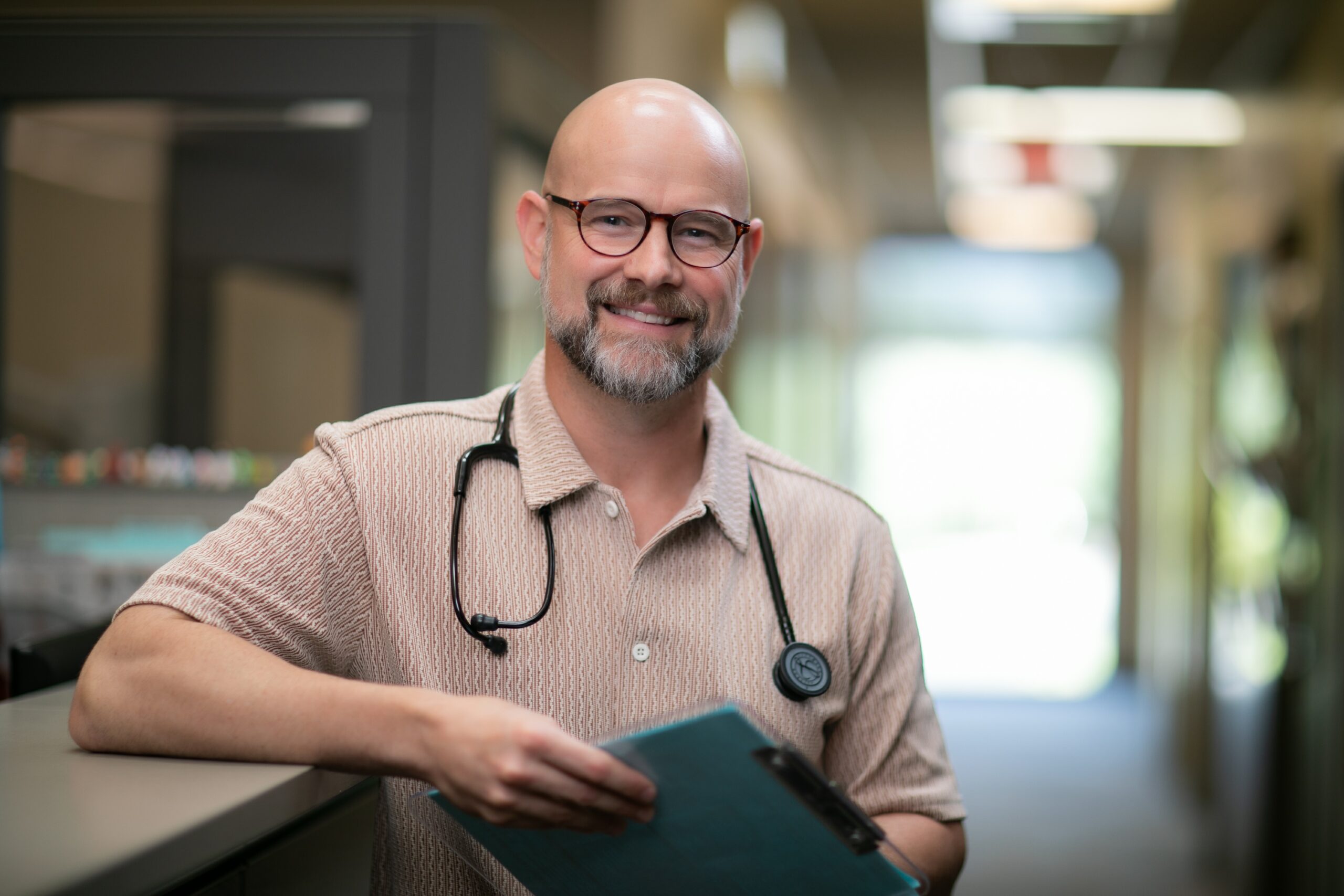
This program is led by Carson Seeber, MD, a family practice provider at TriState Family Practice & Internal Medicine in Clarkston. “The program allows residents to train in real clinical settings where they learn the full spectrum of family medicine,” said Dr. Seeber. “They will have the chance to learn preventative care, chronic disease management, inpatient care, and more, all while forming roots in a rural community.”
Research shows that nearly 60% of physicians stay within 100 miles of where they train. That means physicians who complete their residency in a rural area are more likely to practice there, strengthening access to care in the Lewis-Clark Valley and surrounding areas.
Launching a residency program is a multi-phase process that requires accreditation, infrastructure development, faculty recruitment, clinical education planning, and viable lasting funding. Because of this, the full realization of the program may take up to ten years. Working within this timeline ensures the program is sustainable and built to last.
For the community, the long-term impact will mean:
- More primary care providers living and working locally
- Shorter wait times and greater appointment access
- Stronger continuity of care for families
- Economic growth through a stronger workforce
As a community-owned, non-profit hospital, that does not receive tax-based funding, TriState Health invests in programs that keep care close to home. Building a residency program is a transformational undertaking, one that relies on the shared commitment of partners, donors, and community members.
Your support during the TriState Health Foundation MediaThon helps make this vision possible. Tune in on social media, KLEW, and more, to donate, share, and challenge others to support the Family Medicine Residency Program.
To learn more about Fund our Future MediaThon please visit TSH.org/FundOurFuture.